
Construction projects depend on the smooth operation of workers, materials and machinery. Every activity follows a planned schedule, and delays in one task can affect several others. When a machine stops working, even for a short period, it can interrupt site operations, increase labour costs and delay project completion.
This is why machinery downtime in construction is a major cost driver. The expenses go beyond repairing faulty equipment. Contractors may also face idle labour, material waste, equipment rental charges and reduced productivity.
From bar bending machines and bar cutting machines to plate compactors, concrete needle vibrators and road cutting machines, every piece of construction machinery supports specific site activities. Understanding the causes of equipment downtime helps contractors choose suitable machinery, plan maintenance and control operating costs.
What Machinery Downtime Means in Construction
Machinery downtime refers to the period when equipment is unavailable for its intended task. It can result from mechanical failure, electrical faults, routine maintenance, operator errors or a shortage of spare parts.
Planned downtime includes scheduled servicing and inspections. These activities help maintain machinery and reduce the risk of unexpected failures. Unplanned downtime occurs when a machine breaks down during operations and disrupts the work schedule.
For example, if a bar bending machine fails while reinforcement bars are being prepared, steel fixing activities may slow down. This can affect subsequent work, including reinforcement installation and concrete pouring.
Similarly, a faulty plate compactor can delay ground preparation, while a damaged concrete needle vibrator can interrupt concrete compaction. In each case, one machine failure can affect several connected activities and increase construction costs.
The Hidden Costs of Construction Equipment Downtime
Equipment downtime affects more than machinery availability. It can increase labour expenses, delay project milestones and create additional operational costs.
Idle Labour and Lost Productivity
Construction workers depend on machinery to complete tasks efficiently. When equipment stops working, workers may have to wait for repairs or replacement machinery.
For example, a malfunctioning bar cutting machine can prevent steel fixers from receiving reinforcement bars in the required sizes. The contractor continues to incur labour costs even when the team cannot maintain its planned output.
Repeated interruptions can also force contractors to arrange overtime or additional shifts. These expenses reduce productivity and put pressure on project budgets.
Delayed Project Schedules
Construction activities often depend on the completion of earlier tasks. A delay in ground preparation can postpone foundation work, while problems with concrete compaction equipment can disrupt concrete placement.
Similarly, a breakdown of a road cutting machine, also known as a road cutter, can delay asphalt cutting, concrete cutting or road repair work.
Such interruptions can affect subcontractor schedules, planned inspections and project completion dates. Contractors may also face contractual penalties if delays affect agreed deadlines.
Emergency Repairs and Replacement Costs
Unexpected machinery failure often requires immediate attention. Contractors may need urgent repairs, replacement components or hired equipment to continue work.
Emergency repairs can cost more than planned maintenance, particularly when spare parts are difficult to obtain. Specialised construction machinery may also be difficult to replace quickly if another machine with the required capacity is unavailable.
Material Waste and Rework
Poorly maintained machinery can affect work quality and material usage. An inaccurate bar cutting machine may produce incorrectly sized reinforcement bars, while a faulty bar bending machine may affect bending accuracy.
Likewise, an underperforming concrete needle vibrator may prevent proper concrete compaction if the problem is not identified and corrected promptly. Rework, material waste and additional labour can increase overall project expenses.
Construction Machinery That Influences Site Productivity
Selecting machinery that matches the job and maintaining it properly helps contractors reduce operational interruptions.
Bar Bending and Bar Cutting Machines
Bar bending machines and bar cutting machines are essential for preparing reinforcement steel used in columns, beams, slabs and foundations. Their capacity and performance affect the speed of reinforcement preparation.
Contractors should consider the required bar diameter, bending angles, cutting capacity and daily production volume when selecting these machines. Regular checks of bending mechanisms, cutting blades, electrical connections and gear systems help identify potential faults before they cause downtime.
Plate Compactors and Soil Compactors
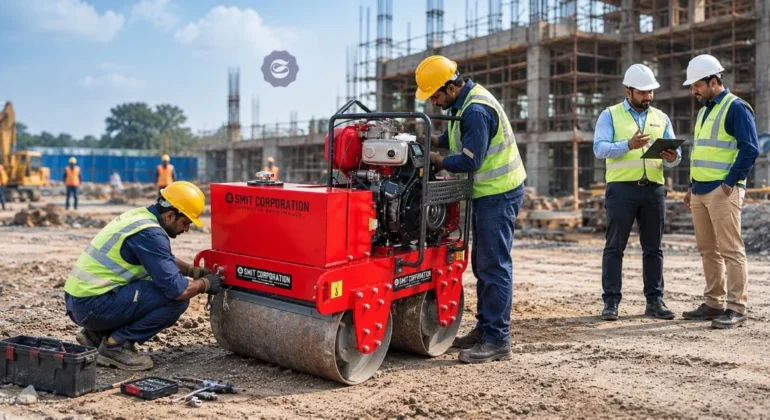
Plate compactors are commonly used to compact soil, sand, gravel and paving materials in confined areas. Soil compactors and tamping rammers may be suitable for other ground preparation requirements, depending on the application.
A machine that loses power, develops vibration problems or requires frequent repairs can delay ground preparation. Contractors should select compaction equipment according to soil conditions, working space and project requirements.
Routine inspection of the engine, belts, vibration system and other serviceable components helps maintain reliable performance.
Concrete Needle Vibrators
Concrete needle vibrators, also called concrete poker vibrators or internal concrete vibrators, help remove trapped air from freshly placed concrete. Proper vibration supports concrete compaction and helps reduce air voids.
A faulty vibrator can interrupt concrete placement and affect work quality if the issue is not addressed promptly. Contractors should inspect the vibration head, flexible shaft, motor and electrical connections, where applicable, before use.
Keeping suitable backup equipment available can help minimise disruption during critical concrete pours.
Road Cutting Machines
Road cutting machines, commonly known as road cutters or floor saws depending on their design and application, are used to cut asphalt and concrete surfaces. They support road repairs, joint cutting and other surface preparation activities.
Blade wear, engine problems and inadequate cooling can interrupt cutting operations. Contractors should choose the correct blade for the material and inspect the machine before use to reduce avoidable breakdowns.
Common Causes of Machinery Downtime
Several factors contribute to construction equipment downtime:
- Poor maintenance: Skipping inspections allows minor faults to develop into major failures.
- Incorrect machinery selection: Equipment with unsuitable capacity may struggle to meet site requirements.
- Operator errors: Incorrect operation can increase wear and damage components.
- Worn parts: Damaged blades, belts, cables and moving components can affect performance.
- Spare-part shortages: Delayed access to replacement parts extends repair time.
- Overloading: Operating machinery beyond its specified limits increases stress on components.
Identifying these causes helps contractors improve equipment reliability and prevent avoidable interruptions.
Practical Ways to Reduce Machinery Downtime
Follow a Preventive Maintenance Schedule
Inspect construction machinery at the intervals recommended by the manufacturer. Check for unusual noise, overheating, excessive vibration, loose connections and visible wear.
Maintain service records for each machine to identify recurring faults and plan maintenance more effectively.
Choose Machinery That Matches the Job
Assess capacity, operating conditions and expected working hours before purchasing construction equipment. A bar bending machine must match the required reinforcement specifications, while a plate compactor should suit the ground conditions and working area.
Suitable machinery helps maintain productivity and reduces unnecessary strain on components.
Train Operators Properly
Operators should understand machine controls, operating limits, safety requirements and daily inspection procedures. They should report unusual performance or faults promptly instead of continuing to operate potentially unsafe machinery.
Maintain Spare Parts and Technical Support
Check the availability of replacement parts and after-sales support before purchasing equipment. Keeping commonly required components available can reduce repair delays and help restore operations sooner.
Track Downtime and Repair Costs
Record how frequently each machine fails, how long repairs take and how much each incident costs. Include idle labour, repair charges, equipment rental and other directly attributable expenses when estimating the financial impact.
These records help contractors identify unreliable machinery and make informed decisions about maintenance or replacement.
How Equipment Reliability Supports Better Cost Control
Reliable construction machinery helps contractors manage labour, materials and project schedules more effectively. However, reliability depends on suitable equipment selection, correct operation, preventive maintenance and access to technical support.
Contractors should evaluate the total cost of equipment ownership rather than focusing only on the purchase price. A machine with a lower initial cost may lead to higher operating expenses if it requires frequent repairs or causes repeated delays.
For construction businesses, reducing machinery downtime is an important part of controlling costs and maintaining productivity.
Smiit Constech offers construction machinery solutions for bar processing, soil compaction, concrete work and road cutting. Contact the team to discuss your project requirements and identify machinery suited to your site operations.