
Metal cutting is a key task in construction, fabrication, engineering, and manufacturing. Many projects require accurate cuts across different types of metal sections. These include pipes, rods, channels, angles, and bars.
The cutting method affects the speed and quality of the work. It also affects material usage, operator effort and overall workflow. This is where a heavy-duty motorised chop saw machine becomes useful.
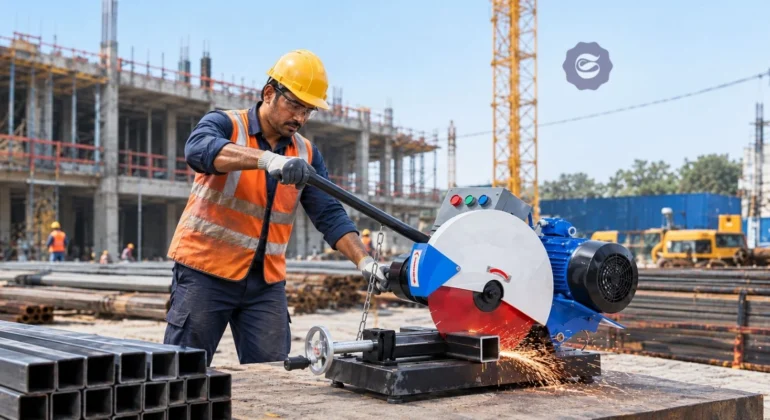
A motorised chop saw machine uses a powered cutting wheel to cut metal sections with controlled movement. It offers a practical way to handle repeated cutting work. It also supports consistent results when the machine is selected and operated correctly.
Understanding how a chop saw machine improves cutting efficiency helps businesses choose the right equipment for their daily requirements.
Faster Metal Cutting Operations
Speed is one of the main factors that affects cutting efficiency. Manual cutting methods often take more time. They also require greater physical effort from the operator.
A heavy-duty chop saw machine uses a motor to drive the cutting wheel at a suitable speed. The operator positions the material and guides the cutting head through the section.
This process reduces the time required for many common cutting tasks. It becomes especially useful when a project involves a large number of similar cuts.
Faster cutting does not simply mean higher production. It also helps keep the workflow moving. Workers spend less time waiting between fabrication and assembly activities.
Consistent Cutting Performance
Consistency is important when metal sections need to meet specific dimensions. Uneven cuts can create fitting problems during fabrication and installation.
A properly set chop saw machine helps produce repeatable cuts. The machine holds the cutting wheel in a controlled position. The material also remains supported during the operation.
The result depends on several factors. These include the cutting wheel, motor performance, material type and operator technique.
Correct machine setup therefore remains essential. Operators need to select the appropriate cutting wheel and secure the workpiece before starting the cut.
Better Control Over Different Metal Sections
Construction and fabrication projects use many types of metal sections. A single project may involve pipes, square tubes, flat bars, angles and other sections.
A heavy duty chop saw machine provides a practical solution for many of these applications. Its working arrangement allows the operator to position different sections before cutting.
The machine’s capacity should match the material being processed. The cutting wheel should also suit the metal type.
Using the correct combination improves cutting performance. It also reduces unnecessary strain on the machine.
Reduced Physical Effort
Manual metal cutting can place significant physical demands on workers. Repeated cutting increases fatigue over long working periods.
A motorised chop saw machine reduces much of this effort. The motor supplies the power needed to rotate the cutting wheel. The operator mainly focuses on positioning, clamping and controlling the cutting movement.
Lower physical effort can support a more consistent working rhythm. It also allows operators to focus more closely on accuracy and safe machine operation.
The machine does not remove the need for trained operators. Proper handling remains important throughout the cutting process.
Improved Material Utilisation
Material waste can increase project costs. Poorly controlled cuts may create unnecessary offcuts. Incorrect measurements can also lead to unusable sections.
A chop saw machine supports better material planning when operators follow accurate measurements. Repeatable cuts make it easier to prepare multiple sections with similar dimensions.
Good planning starts before the machine begins cutting. Operators can mark the required lengths and arrange the material in a logical sequence.
This approach helps reduce unnecessary handling. It also makes the cutting process more organised.
Suitable for Repetitive Cutting Work
Some fabrication tasks require dozens or even hundreds of similar cuts. Repeating the same process manually can slow down production.
A heavy duty chop saw machine suits these working conditions. The operator can prepare the material, secure it and repeat the cutting process.
The machine therefore supports a more structured workflow. It can become particularly useful in fabrication workshops and construction projects where metal sections require regular processing.
The exact output depends on the machine capacity, material size, cutting wheel and working conditions.
Supports Accurate Fabrication Work
Accuracy matters when cut sections move into welding, assembly or installation stages. A poor cut can affect the next operation.
A chop saw machine provides controlled cutting movement. This helps operators maintain a more consistent cutting process.
However, machine accuracy alone does not guarantee a perfect result. Operators still need to measure the material correctly. They also need to check the cutting wheel and maintain the machine properly.
A complete cutting process combines good equipment with good working practices.
Choosing the Right Cutting Machine
Not every metal cutting requirement is the same. The machine should match the application.
Consider the type and thickness of the material first. Then check the required cutting capacity. Motor power, cutting wheel size, operating speed and machine construction also matter.
The working environment is another important factor. Workshop cutting may have different requirements from cutting work on a construction site.
Operators should also consider maintenance access and availability of replacement components. Regular inspection helps maintain dependable performance over time.
The right choice of cuttng machine(Title: How to Choose the right bar Cutting machine) comes from matching machine specifications with actual cutting requirements.
Safe Operation Improves Efficiency
Efficiency should always work alongside safe operation. A fast cutting process is not useful if operators ignore safety procedures.
Operators should wear suitable protective equipment. They should secure the workpiece before cutting. The cutting wheel should remain in good condition.
The machine should also stand on a stable surface. Operators should keep hands away from the cutting area and follow the manufacturer’s operating instructions.
Regular checks also help identify worn components before they affect performance.
Safe working practices create a more controlled cutting environment. They also support consistent machine operation.
Maintenance Keeps Performance Consistent
Regular maintenance plays an important role in the efficiency of a chop saw machine. Dust, metal particles and general workshop debris can affect machine components.
Operators should inspect the cutting wheel regularly. They should check electrical connections, guards, clamps and moving parts according to the manufacturer’s instructions.
A worng cutting wheel can affect cutting quality. Delayed maintenance can also interrupt production.
A simple maintenance routine helps keep the machine ready for regular work. It also supports longer equipment life when the machine receives proper care.
Why Heavy Duty Design Matters
Heavy duty construction becomes important when a machine handles regular metal cutting work. A robust design can support demanding applications when the machine is correctly used.
The motor, frame, cutting mechanism and supporting components all contribute to machine performance.
However, heavy duty does not mean that maintenance becomes unnecessary. Every machine still requires correct operation, suitable accessories and regular inspection.
The best results come when machine capacity matches the actual workload.
Making Metal Cutting More Efficient
A heavy duty motorised chop saw machine improves metal cutting efficiency by combining powered cutting, controlled operation and repeatable performance.
It reduces manual effort. It supports faster workflows. It helps maintain consistent cuts and makes repetitive work easier to manage.
The machine works best when operators select the correct model for the material and application. Accurate measurement, proper clamping, suitable cutting wheels and regular maintenance also remain essential.
For construction and fabrication teams, these factors create a more organised metal cutting process. The focus shifts from simply cutting metal to improving the complete workflow.
If you are reviewing your metal cutting requirements, compare the material type, cutting capacity, operating frequency and available workspace before selecting equipment.
For guidance on metal cutting equipment and suitable chop saw machine options for construction and fabrication applications, connect with Smiit Constech (Title: Trusted construction Machinery Manufacturer in india).
The team can help you understand machine specifications and select equipment based on your actual cutting requirements.